Cryotherapy is a treatment that uses extreme cold to destroy selected skin lesions. It is commonly used for certain warts and verrucae, and may be suitable for other benign lesions after they have been assessed. The treatment is usually quick, but the area can become sore, blister or form a scab as it heals. Knowing what to expect can help you decide whether to book an assessment and how to care for your skin afterwards.
What is cryotherapy?
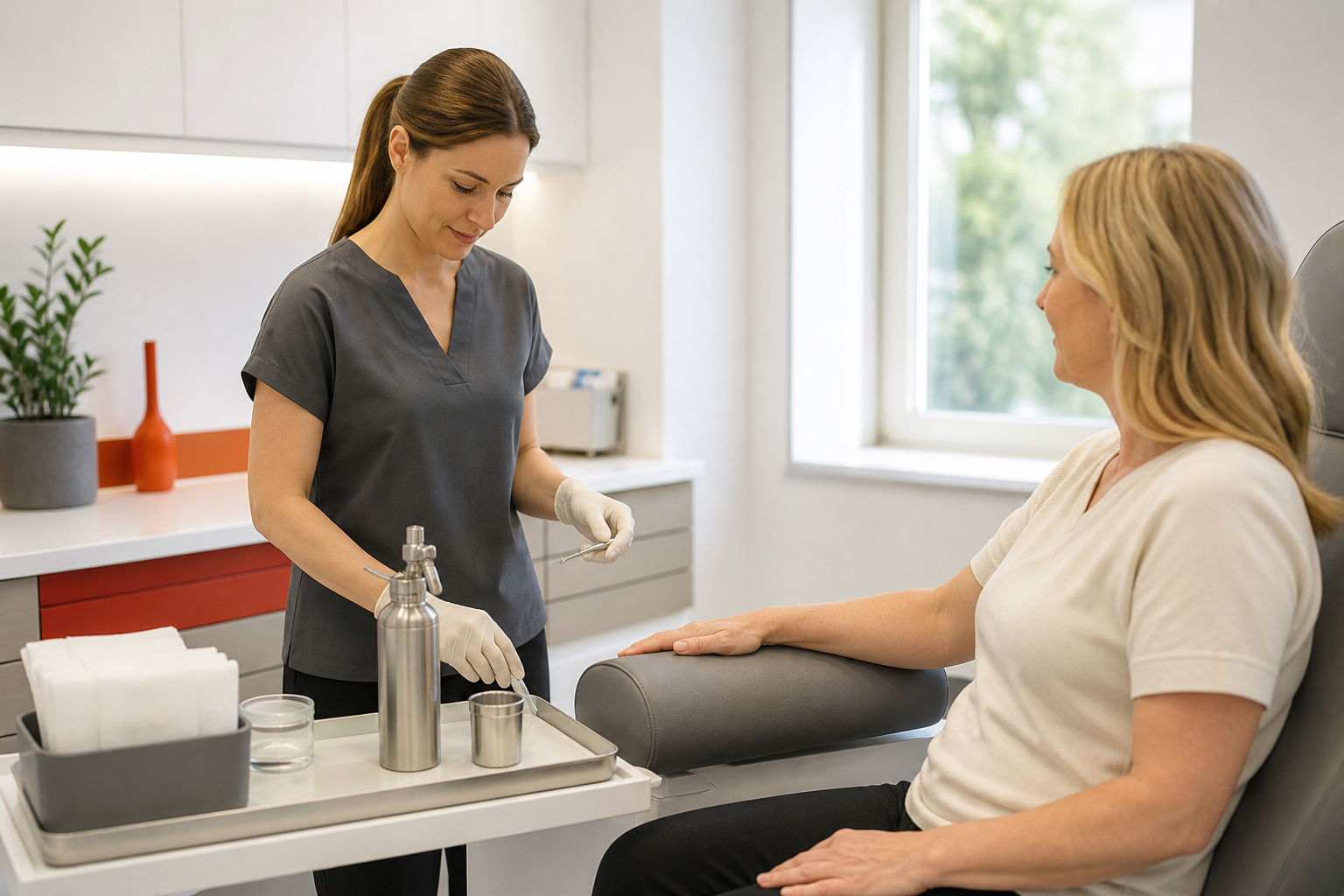
Cryotherapy for skin lesions most often uses liquid nitrogen, applied to the target area by a trained healthcare professional. The intense cold damages the cells in the lesion. The treated tissue then gradually breaks down and is replaced as the skin heals.
The application itself is brief. You may feel stinging, burning or aching during treatment and for a short time afterwards. The exact method and length of freezing depend on the type, size and position of the lesion. Some lesions need more than one treatment, rather than a single visit.
Which skin lesions may be treated?
Cryotherapy can be considered for common warts and verrucae, among other selected benign lesions. Whether it is appropriate depends on the appearance and location of the spot, your health and the likelihood that treatment will be effective. A clinician should assess the lesion before it is treated.
Not every lump, mark or change on the skin should be frozen. Cryotherapy does not provide a sample for laboratory testing, so an uncertain or suspicious lesion needs appropriate medical assessment first. Do not assume a changing spot is a harmless wart or skin tag.
Seek medical advice rather than arranging routine cryotherapy if a lesion is changing in size, shape or colour, is persistently bleeding, has become ulcerated, or has an unusual appearance. A clinician can advise whether it should be examined by your GP or assessed through another service.
What happens at an appointment?
The clinician will ask about the lesion and your health, and examine the area to decide whether cryotherapy is suitable. Tell them if you have had previous treatment, if the spot has changed, or if you have any relevant medical conditions or concerns. They should explain the likely benefits, possible side effects and whether further sessions may be needed.
If treatment goes ahead, the area is exposed to the cold agent for a controlled period. You may feel a sharp, cold sting, followed by aching or tenderness. The discomfort generally settles, although the treated area can remain sensitive for a while. The procedure does not usually require a local anaesthetic, but this depends on the lesion and treatment plan.
Be sure to mention conditions or medicines that could affect healing or sensation, such as poor circulation, reduced feeling in the skin or a weakened immune system. Also tell the clinician if you have had an unusual reaction to cold. These details may affect whether treatment is suitable or how the area should be monitored.
What may happen to the skin afterwards?
It is common for the treated area to become red, swollen or tender. A blister may form, sometimes containing clear fluid or a small amount of blood. The blister can later dry into a crust or scab, which separates as the skin heals. The time taken varies according to the site and size of the lesion and your individual healing.
After the scab comes away, the new skin may look pink or paler or darker than the surrounding area. A colour change can take time to settle and may sometimes remain. Scarring is possible, although the risk varies with the treatment and site. Ask the clinician about likely cosmetic effects, particularly if the lesion is on a visible area.
For some lesions, especially warts or verrucae, one session may not clear the problem. The clinician can advise whether another treatment is appropriate and when to return. Do not repeat treatment or apply wart-removing products to recently treated skin unless you have been advised to do so.
Aftercare and when to seek help
Follow the specific aftercare instructions given at your appointment. In general, keep the area clean and avoid picking at a blister or scab. If a blister breaks, gently clean the area and protect it with a dressing if needed, especially if clothing or footwear will rub against it. Avoid unnecessary friction while the skin is healing.
If the area is uncomfortable, ask a pharmacist or clinician what pain relief is suitable for you. Contact a healthcare professional if you develop increasing pain, spreading redness, worsening swelling, pus, or feel unwell, as these could indicate a complication. If you are unsure whether healing is progressing normally, seek advice rather than trying to remove the scab yourself.
Is cryotherapy right for you?
Cryotherapy is a straightforward option for some common skin lesions, but it is not suitable for every mark or every person. A proper assessment helps reduce the risk of treating a lesion that needs a different diagnosis or approach. It also gives you the chance to discuss discomfort, healing time, possible skin colour changes and whether repeat treatment may be needed.
If you have a skin lesion you would like assessed, you can book a cryotherapy appointment with Avante Pharmacy in Edinburgh.