

Whether you are planning a summer holiday, visiting family overseas or escaping Edinburgh for a winter break, it is worth checking your travel health needs early. Some vaccinations require more than one dose, and protection may take time to develop. Booking a travel health appointment well before departure gives you more choice and time to plan, but it is still sensible to ask for advice if your trip is coming up soon. When should you book travel vaccinations? As a general guide, arrange an appointment around six to eight weeks before you travel, or earlier if possible. This is not a fixed deadline: the right timing depends on your destination, health history, previous vaccinations and the vaccines recommended. Some courses are given over several visits, while others can be given closer to departure. A pharmacist can assess what may be appropriate for your plans. Start checking as soon as you have a likely destination and travel date. This is particularly helpful before busy holiday periods, when appointments may be in greater demand. If you are travelling in the next few weeks, do not assume it is too late. Contact the pharmacy to discuss availability and timing. Even when a full course cannot be completed before departure, a clinician can explain your options and other steps that may help reduce risk. Recommendations can vary between countries and even between regions within a country. Your itinerary, length of stay, type of accommodation and planned activities may all be relevant. For up-to-date destination information, consult NHS Scotland’s Fit for Travel guidance and discuss your plans with a travel health professional. What to check before your appointment Before booking, gather the details of your trip. Include every country you plan to visit, any stopovers where you will leave the airport, and the dates you expect to be in each place. If your plans include rural travel, trekking, time with animals, visiting friends and relatives, or a long stay, mention this. These details can affect the health advice you receive. It is also useful to check your existing vaccination record. Routine vaccinations offered through the NHS may be relevant to your overall protection, as well as vaccines associated with travel. If you are unsure what you have had, bring any records you can find; the clinician can advise whether further checks or doses may be needed. Do not assume that a previous vaccination is still sufficient for every destination or trip. Some vaccines are recommended for health protection; others may be required under specific entry rules. Requirements can depend on where you have travelled from or transited through, so check current official guidance for your route. If you need an International Certificate of Vaccination or Prophylaxis, ask whether the vaccine must be given by an authorised centre. Not every pharmacy or clinic provides every vaccine or certificate. What to bring to your appointment Bringing the right information helps the clinician make a more complete assessment. If possible, have the following to hand: Your travel dates and a full itinerary, including stopovers and planned activities. Vaccination records, including details of any previous travel vaccines, if available. A list of medicines, supplements and known allergies. Relevant information about medical conditions, previous reactions to vaccines, or treatment that affects your immune system. Details of pregnancy, breastfeeding or plans to become pregnant, where relevant. Any questions about vaccine costs, timing, certificates or follow-up appointments. Tell the clinician about recent changes to your health, even if you have already booked. Some health conditions or medicines may affect which vaccines are suitable or when they can be given. If you are arranging appointments for children, bring their vaccination records and share any relevant health information for each child. What happens during a travel health appointment? The clinician will ask about your destination, itinerary, travel dates and health history. They can then discuss which vaccinations may be advised, which are available through the service, and whether more than one appointment may be needed. Recommendations are individual: a vaccine that is relevant for one traveller may not be needed or suitable for another. Some travel vaccinations are available privately and may involve a charge. Availability, cost and the time needed to complete a course can vary. Ask about these details when booking, and make sure you understand whether a follow-up dose is required. If a vaccine is not available through the service, the pharmacy can explain what to do next where possible. Vaccination is only one part of preparing for a healthy trip. Depending on where you are going, you may also need advice about insect bites, food and water, sun exposure, or other health precautions. Ask about these during your appointment, and check destination guidance again before departure because advice and entry requirements can change. If you are travelling at short notice Last-minute travel can make planning more challenging, especially if a vaccine course needs several doses. Contact the pharmacy as soon as you can rather than deciding there is no point in seeking advice. The clinician can explain what may still be useful, what cannot be completed in time and what other precautions to consider. Avoid relying on advice from an old trip: your destination, route or health needs may be different this time. If you have symptoms or a health concern before your appointment, let the pharmacy know when you contact them. They can advise whether to keep, rearrange or discuss the appointment further. For urgent or complex medical questions, your GP or another appropriate healthcare professional may also need to be involved. Book your travel vaccination appointment Planning ahead can help you understand your options and leave time for any doses or follow-up advice you need. To discuss your destination and arrange an appointment, book a travel vaccination appointment with Avante Pharmacy.
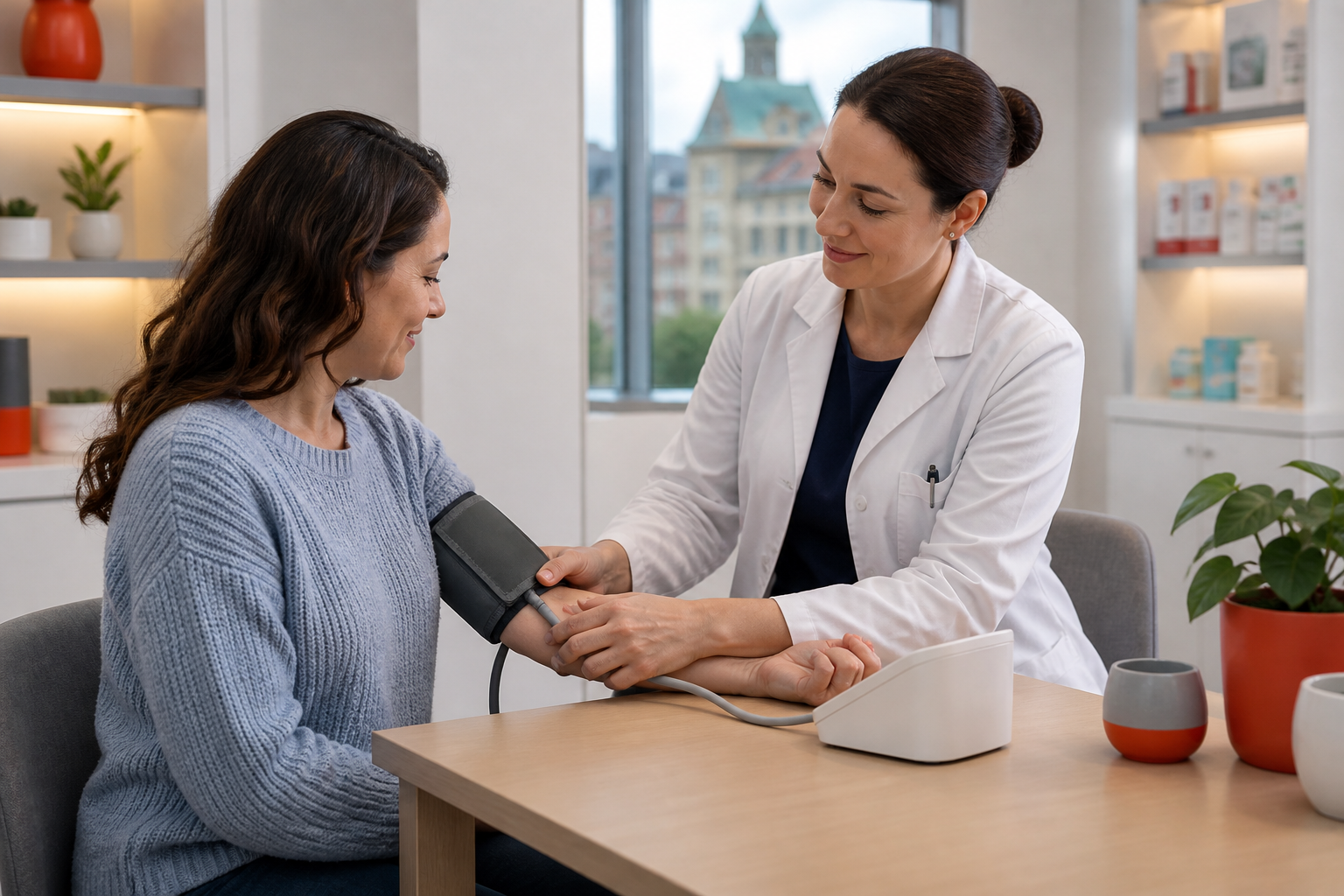
Blood Pressure Monitoring: What Your Reading Means and When to Get It Checked
Blood pressure is a measure of the force of blood moving through your arteries. It can change throughout the day, and a single reading does not usually tell the whole story. Regular, correctly taken measurements can help identify a possible problem early and guide you towards the right next steps. Understanding the two numbers A blood pressure reading is written as two numbers, for example 120/80 mmHg. The first, or systolic, number measures pressure when your heart beats. The second, or diastolic, number measures pressure between beats, when your heart relaxes. Both numbers matter: either can be raised. Blood pressure is often high without causing noticeable symptoms. Over time, untreated high blood pressure can increase the risk of heart disease, stroke and other health problems. A reading is therefore useful even if you feel well. Equally, one higher-than-usual result may reflect temporary factors such as stress, pain, recent activity or caffeine, rather than your usual blood pressure. What counts as a high reading? For an adult, a blood pressure measured in a clinic or pharmacy is generally considered high if it is 140/90 mmHg or above. A high reading does not, by itself, confirm hypertension. A healthcare professional may recommend repeat readings or monitoring at home or over 24 hours to check whether it remains high. For home or 24-hour monitoring, an average of 135/85 mmHg or above is generally considered high. These thresholds are not a substitute for individual advice: your age, health, medicines and circumstances may affect how your readings are interpreted. Children and some people with particular health conditions need different assessment. A reading below 90/60 mmHg is often described as low. Some people naturally have lower readings and feel perfectly well. If low readings come with dizziness, weakness, blurred vision, nausea or fainting, speak to a healthcare professional, particularly if the symptoms are new or recurring. Getting an accurate measurement Small details can affect a reading. For a more reliable result, try to: Avoid smoking, strenuous exercise and drinks containing caffeine for about 30 minutes beforehand. Use the toilet if needed, then sit quietly for around five minutes. Sit with your back supported, feet flat on the floor and legs uncrossed. Keep your arm relaxed and supported at about heart level, with the cuff placed on bare skin. Stay still and avoid talking while the measurement is taken. A cuff that is the wrong size or placed over clothing can affect the result. If you are checking your blood pressure at home, use a validated monitor and follow its instructions. Take readings at the times advised and record them, including the date and time. Do not change or stop prescribed medicines because of a reading unless a healthcare professional tells you to. When should you get your blood pressure checked? It is sensible to have your blood pressure checked periodically, even if you feel well, especially if you have not had a measurement for some time. Consider arranging a check if you have a family history of high blood pressure, have been told that a previous reading was raised, or have a condition or treatment that may affect your blood pressure. A pharmacist or GP can help you decide how often to check it. Arrange a check if you have symptoms such as recurring headaches, dizziness or blurred vision, but do not assume that these are caused by blood pressure. High blood pressure often has no symptoms, and these problems can have many other causes. Seek appropriate medical advice rather than relying on a reading to explain how you feel. If you are pregnant or have recently given birth, contact your midwife, maternity unit or GP for advice about blood pressure concerns. A raised reading in pregnancy needs appropriate assessment, particularly if you also have a severe headache, visual changes, pain beneath the ribs, sudden swelling or feel very unwell. What happens if a reading is high? If your reading is above the usual clinic threshold, it may be repeated after a short rest. Depending on the result and your circumstances, you may be advised to arrange further measurements at home or through your GP. This helps establish whether the rise is persistent and reduces the chance of making decisions based on a one-off result. Very high readings need prompt attention. If a reading is around 180/120 mmHg or higher, contact a healthcare professional urgently for advice, even if you feel well. If you have a very high reading alongside chest pain, severe shortness of breath, weakness or numbness on one side, confusion, difficulty speaking, or a sudden severe headache, call 999. How pharmacy monitoring can help A blood pressure monitoring appointment offers a convenient way to have your reading checked and understand what it may mean. The pharmacist can explain the result, discuss factors that may affect it and advise whether repeat monitoring or contact with your GP is appropriate. Bring a list of your medicines and, if you monitor at home, your recent readings. Monitoring supports good care but does not replace a GP assessment when one is needed. If you have a concerning result or ongoing symptoms, follow the advice given and seek further medical help. Keeping a record of readings can make conversations with your healthcare team more useful. Book a blood pressure check For a convenient check and clear advice on your next steps, book a blood pressure monitoring appointment with Avante Pharmacy.

Flu Vaccination in Edinburgh: Who Should Consider It and When to Book
As the days grow colder and people spend more time indoors, flu can spread more easily through homes, schools and workplaces. Vaccination is a practical way to reduce the risk of becoming seriously unwell and of passing flu on to people who may be more vulnerable. If you are in Edinburgh, planning ahead can make it easier to get protected before flu becomes widespread. Who should consider a flu vaccination? Flu vaccination is recommended each year for people at greater risk of complications, as well as some people who could pass flu to those at higher risk. NHS Scotland eligibility is reviewed seasonally, so the groups offered an NHS vaccination may change. Check the current guidance or ask a pharmacist whether you qualify. Groups commonly recommended for annual flu vaccination include: People aged 65 or over. Pregnant people, at any stage of pregnancy. People with certain long-term health conditions, such as some respiratory, heart, kidney, liver or neurological conditions, diabetes, or a weakened immune system. People living in a care home or another long-term residential care setting. Unpaid carers and people living with someone who has a weakened immune system, where they meet current eligibility criteria. Children included in the seasonal NHS programme, which may cover preschool and school-age children. These are broad examples, not a complete eligibility assessment. The type and severity of a condition can matter, and the NHS programme may differ from a private vaccination service. If you are unsure, contact your GP practice, NHS Scotland or a pharmacy before booking. Why is vaccination advised every year? Flu viruses change over time, so the vaccine is reviewed and updated to offer protection against the strains expected to circulate that season. Protection also reduces over time. Having a flu vaccination in a previous year does not mean you will be protected for the current season. The vaccine cannot guarantee that you will not catch flu. However, it helps your immune system recognise the viruses included in that season’s vaccine and reduces the chance of severe illness. It is particularly important for people who are more likely to develop complications, and for those who care for or live with them. When is the best time to book? Flu vaccinations are generally offered in autumn, ahead of the period when flu commonly circulates more widely. The vaccine takes around two weeks to build up its protective effect, so booking when seasonal appointments become available can help you be protected in good time. If you miss an autumn appointment, it may still be worth asking about vaccination later in the season. Flu can circulate for several months, and availability and eligibility can vary. If you are pregnant or have a health condition that increases your risk, seek advice rather than waiting for a particular month. Seasonal vaccine supplies and appointment arrangements can change. Check the pharmacy’s current service information for the vaccines and appointment types available, and confirm whether you are booking an NHS or private vaccination. What happens at a pharmacy appointment? A pharmacist will ask a few questions to check that vaccination is suitable for you. This may include your age, pregnancy status, health conditions, allergies, current medicines and any previous reactions to vaccines. Tell the pharmacist if you are feeling unwell or if anything has changed since you booked. The flu vaccine used for adults is usually given as an injection in the upper arm. Children may be offered a different vaccine, such as a nasal spray, through the relevant NHS programme. The product used depends on age, clinical suitability and what is available that season. Most side effects are mild and short-lived. These can include a sore arm, a slight temperature, tiredness or aching muscles. They usually settle within a few days. The injected flu vaccine does not give you flu, because it does not contain live flu virus capable of causing the illness. If you have had a serious allergic reaction to a vaccine or one of its ingredients, discuss this with the pharmacist before your appointment. Flu vaccination alongside other care Having another vaccination around the same time may be possible, but the right approach depends on the vaccines and your individual circumstances. Tell the pharmacist about any recent or planned vaccinations so they can advise you. If you have a significant illness with a high temperature on the day, contact the pharmacy before attending; a mild cold without a fever may not necessarily prevent vaccination. Vaccination is one part of reducing the spread of respiratory infections. Washing your hands, covering coughs and sneezes, and staying home where possible when you are unwell can also help protect people around you. If you develop severe symptoms or are concerned about your health, seek appropriate medical advice. Book your flu vaccination in Edinburgh Planning ahead can help you get protected at a convenient time. Check your eligibility and book an appointment with Avante Pharmacy using our flu vaccination booking page.
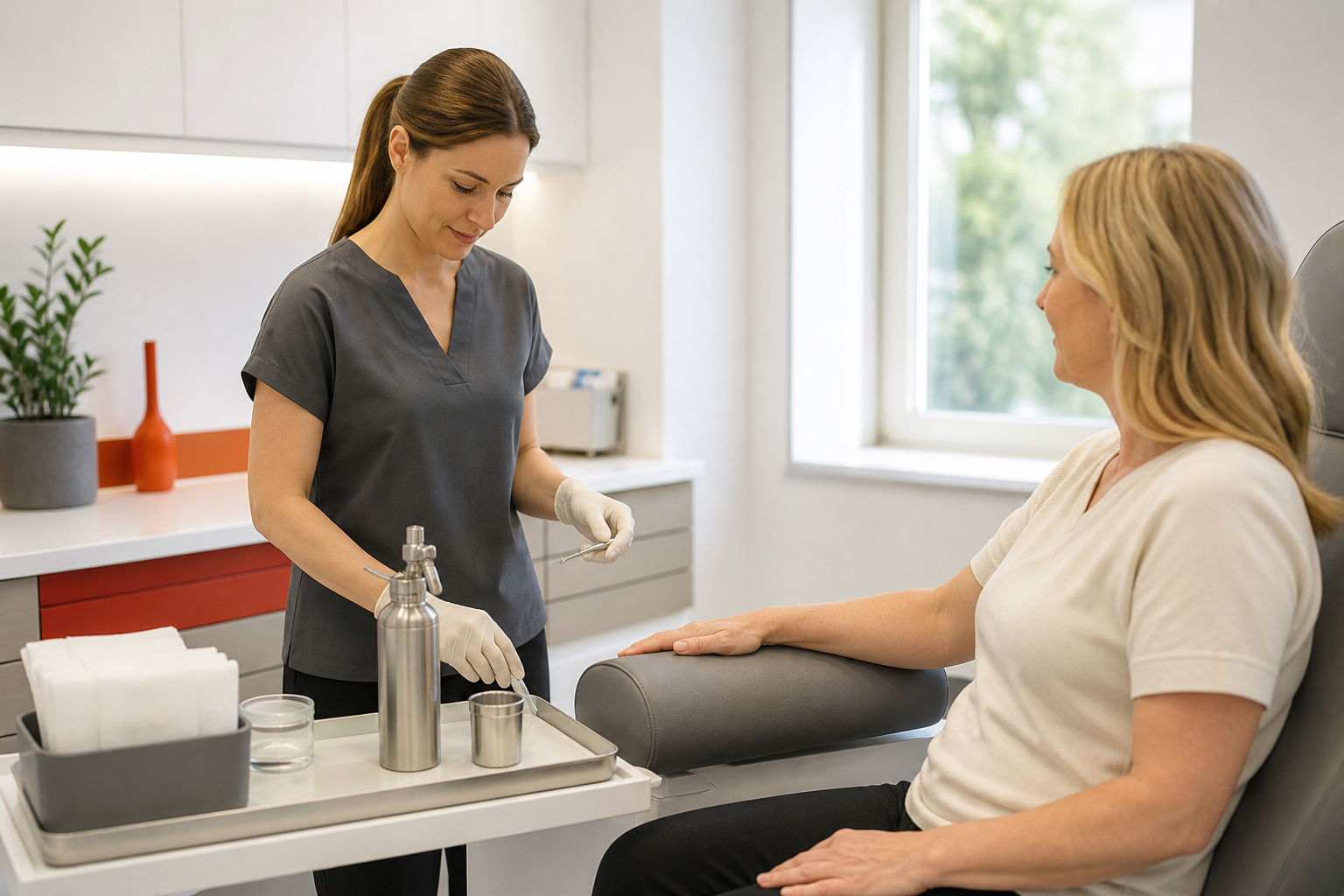
Cryotherapy for Common Skin Lesions: How Treatment Works and What Recovery May Involve
Cryotherapy is a treatment that uses extreme cold to destroy selected skin lesions. It is commonly used for certain warts and verrucae, and may be suitable for other benign lesions after they have been assessed. The treatment is usually quick, but the area can become sore, blister or form a scab as it heals. Knowing what to expect can help you decide whether to book an assessment and how to care for your skin afterwards. What is cryotherapy? Cryotherapy for skin lesions most often uses liquid nitrogen, applied to the target area by a trained healthcare professional. The intense cold damages the cells in the lesion. The treated tissue then gradually breaks down and is replaced as the skin heals. The application itself is brief. You may feel stinging, burning or aching during treatment and for a short time afterwards. The exact method and length of freezing depend on the type, size and position of the lesion. Some lesions need more than one treatment, rather than a single visit. Which skin lesions may be treated? Cryotherapy can be considered for common warts and verrucae, among other selected benign lesions. Whether it is appropriate depends on the appearance and location of the spot, your health and the likelihood that treatment will be effective. A clinician should assess the lesion before it is treated. Not every lump, mark or change on the skin should be frozen. Cryotherapy does not provide a sample for laboratory testing, so an uncertain or suspicious lesion needs appropriate medical assessment first. Do not assume a changing spot is a harmless wart or skin tag. Seek medical advice rather than arranging routine cryotherapy if a lesion is changing in size, shape or colour, is persistently bleeding, has become ulcerated, or has an unusual appearance. A clinician can advise whether it should be examined by your GP or assessed through another service. What happens at an appointment? The clinician will ask about the lesion and your health, and examine the area to decide whether cryotherapy is suitable. Tell them if you have had previous treatment, if the spot has changed, or if you have any relevant medical conditions or concerns. They should explain the likely benefits, possible side effects and whether further sessions may be needed. If treatment goes ahead, the area is exposed to the cold agent for a controlled period. You may feel a sharp, cold sting, followed by aching or tenderness. The discomfort generally settles, although the treated area can remain sensitive for a while. The procedure does not usually require a local anaesthetic, but this depends on the lesion and treatment plan. Be sure to mention conditions or medicines that could affect healing or sensation, such as poor circulation, reduced feeling in the skin or a weakened immune system. Also tell the clinician if you have had an unusual reaction to cold. These details may affect whether treatment is suitable or how the area should be monitored. What may happen to the skin afterwards? It is common for the treated area to become red, swollen or tender. A blister may form, sometimes containing clear fluid or a small amount of blood. The blister can later dry into a crust or scab, which separates as the skin heals. The time taken varies according to the site and size of the lesion and your individual healing. After the scab comes away, the new skin may look pink or paler or darker than the surrounding area. A colour change can take time to settle and may sometimes remain. Scarring is possible, although the risk varies with the treatment and site. Ask the clinician about likely cosmetic effects, particularly if the lesion is on a visible area. For some lesions, especially warts or verrucae, one session may not clear the problem. The clinician can advise whether another treatment is appropriate and when to return. Do not repeat treatment or apply wart-removing products to recently treated skin unless you have been advised to do so. Aftercare and when to seek help Follow the specific aftercare instructions given at your appointment. In general, keep the area clean and avoid picking at a blister or scab. If a blister breaks, gently clean the area and protect it with a dressing if needed, especially if clothing or footwear will rub against it. Avoid unnecessary friction while the skin is healing. If the area is uncomfortable, ask a pharmacist or clinician what pain relief is suitable for you. Contact a healthcare professional if you develop increasing pain, spreading redness, worsening swelling, pus, or feel unwell, as these could indicate a complication. If you are unsure whether healing is progressing normally, seek advice rather than trying to remove the scab yourself. Is cryotherapy right for you? Cryotherapy is a straightforward option for some common skin lesions, but it is not suitable for every mark or every person. A proper assessment helps reduce the risk of treating a lesion that needs a different diagnosis or approach. It also gives you the chance to discuss discomfort, healing time, possible skin colour changes and whether repeat treatment may be needed. If you have a skin lesion you would like assessed, you can book a cryotherapy appointment with Avante Pharmacy in Edinburgh.

What to Expect from an Online Pharmacist Consultation: Preparation, Assessment and Follow-Up
An online pharmacist consultation can be a convenient way to discuss a health concern, ask about medicines or find out what care may be suitable without travelling to a pharmacy. Knowing how to prepare and what may happen afterwards can help you make the most of your appointment. The consultation is not a substitute for emergency care, and an online assessment may not be appropriate for every concern. Before you book Check that the service is suitable for the reason you want to speak to a pharmacist. Online consultations can be useful for many medicine-related questions and health concerns, but some problems need a physical examination, tests or urgent assessment in person. If you are unsure, contact the pharmacy before booking and explain briefly what you need help with. When booking, provide accurate contact details and any information requested about your health. You may be asked to describe your symptoms or the subject you want to discuss. Be as clear as you can: this helps the pharmacist prepare and decide whether an online appointment is appropriate. If the pharmacy cannot safely assess your concern remotely, it should explain what other care to seek. How to prepare for your appointment A little preparation can make the conversation clearer and more useful. Before the consultation, consider writing down: What has prompted you to seek advice, and what you hope to find out. When the problem began, whether it is improving or worsening, and any symptoms you have noticed. Medicines you take, including prescribed medicines, over-the-counter products, vitamins and herbal remedies. Any allergies or previous reactions to medicines, and relevant health conditions. Questions you want to ask, including what to do if your symptoms change. Have the packaging or a current medicines list nearby if you are asking about a particular product. If you have a temperature, blood pressure reading or other measurement that is relevant, note when and how it was taken. Do not delay seeking urgent help to collect information. Choose a quiet, private place where you can speak freely, and check your phone, computer or internet connection in advance. If the appointment uses video, make sure your camera and microphone work. You may wish to have a trusted person with you, but tell the pharmacist if someone else is present. If you need an interpreter, accessible format or another adjustment, ask the pharmacy in advance. What happens during the consultation? The pharmacist will usually begin by confirming who you are and asking what you would like help with. They may ask follow-up questions about your symptoms, medical history, medicines and what you have already tried. These questions help them understand the situation and consider potential risks, such as medicine interactions, allergies or symptoms that need prompt medical attention. Answer as openly and accurately as possible, even if a detail feels unrelated or sensitive. If you do not understand a question, ask for it to be explained. You can also ask the pharmacist to summarise their advice or repeat anything you have not heard clearly. The pharmacist may explain that they cannot reach a safe conclusion based on the information available remotely. An online appointment may not include a physical examination. The pharmacist will take this into account and may recommend an in-person assessment, a GP appointment, NHS 24 or another service. If symptoms suggest an emergency, call 999 or go to A&E rather than waiting for an online appointment. For urgent help that is not an emergency in Scotland, contact NHS 24 on 111. Advice, treatment and prescriptions Depending on your concern, the pharmacist may offer self-care guidance, explain how to use a medicine, discuss possible side effects or recommend that you seek further assessment. They may also advise you to speak to your GP or another healthcare professional. The right recommendation depends on your individual circumstances; an online consultation does not guarantee that a particular treatment will be suitable. A prescription is not automatic. Whether a medicine can be supplied or prescribed depends on the service available, the pharmacist’s professional authority and the clinical assessment. Some medicines are not appropriate to supply without an examination or further information. If a prescription cannot be provided, the pharmacist should explain the reason and help you understand what to do next. Tell the pharmacist if you are pregnant or breastfeeding, have a long-term condition, or take regular medicines, as these factors can affect treatment choices. Do not start, stop or change a prescribed medicine solely on the basis of an online conversation unless you have been advised to do so by an appropriate healthcare professional. Privacy and practical considerations Health information is personal. Use the booking and consultation arrangements provided by the pharmacy, and avoid discussing sensitive details where other people can hear. The pharmacy should handle your information in line with applicable confidentiality and data-protection requirements. If you have questions about how your information is used or stored, ask before the appointment. Online consultations can save a journey, but they rely on clear communication and suitable technology. If your connection fails or you cannot hear the pharmacist, let them know and arrange how to continue. If you need to show a medicine label or a visible symptom, ask whether the consultation format can support this. A photograph or video cannot replace an examination when one is needed. After your consultation Before finishing, make sure you understand the advice and the next steps. Ask what symptoms to watch for, when to seek further help and who to contact if the problem does not improve. If you have been advised to arrange an appointment or test, clarify how soon this should happen. Follow the instructions given for any recommended medicine and check with a pharmacist or clinician if anything is unclear. You may wish to write down the main points after the call. If your symptoms worsen, new symptoms appear or you are concerned about a medicine reaction, seek appropriate medical advice rather than waiting for a routine follow-up. The pharmacist may

Pneumonia Vaccination Explained: Eligibility, Protection and What to Expect
Pneumonia is an infection that causes inflammation in the lungs. It can be caused by bacteria, viruses or fungi, and may lead to serious illness, particularly in older adults, babies and people with certain long-term health conditions. Pneumococcal vaccination helps protect against pneumonia and other infections caused by Streptococcus pneumoniae, also known as pneumococcus. At Avante Pharmacy in Edinburgh, our pneumonia vaccination service provides a convenient opportunity to discuss your eligibility, review your vaccination history and receive the appropriate vaccine following a pharmacist-led assessment. What is pneumococcal disease? Pneumococcus is a type of bacterium that can cause a range of infections. These include pneumonia, meningitis, bloodstream infections and ear infections. Pneumococcal disease can affect anyone, but complications are more likely in young children, older adults and people whose immune system or general health makes it harder to fight infection. Vaccination reduces the risk of serious pneumococcal disease. However, it cannot prevent every type of pneumonia because pneumonia has many possible causes. It also does not replace other measures such as hand hygiene, managing long-term conditions and seeking medical advice promptly when symptoms are severe or worsening. Who is eligible for pneumonia vaccination? Eligibility depends on your age, health conditions, previous vaccinations and the current NHS immunisation programme. In Scotland, pneumococcal vaccination is routinely offered to babies and to older adults, with additional vaccination recommended for people in certain clinical risk groups. Adults who may be advised to have pneumococcal vaccination include: People aged 65 or over, according to the current NHS programme. People with chronic respiratory conditions, including some forms of chronic obstructive pulmonary disease or severe asthma. People with significant heart, kidney or liver disease. People with diabetes. People with reduced immune function, including those taking certain immunosuppressive medicines. People living without a functioning spleen, or who have had their spleen removed. People with a cochlear implant or a cerebrospinal fluid leak. People with HIV or other conditions that increase the risk of serious pneumococcal infection. The exact recommendations can vary according to the condition and the person’s age. Some people need vaccination because of a particular medical risk even if they are younger than the routine age group. Children generally receive pneumococcal vaccination through the childhood NHS programme, so parents or carers should check the child’s Red Book or NHS vaccination record before arranging an additional appointment. Which pneumococcal vaccine will I receive? The vaccine recommended depends on your age, clinical risk factors and vaccination history. National guidance may use different pneumococcal vaccines for different groups, and the programme can be updated as evidence and supply arrangements change. At your appointment, the pharmacist will check which vaccine is appropriate rather than assuming that one product is suitable for everyone. If you have previously received a pneumococcal vaccine, the date and type may affect whether you need another dose. Bring any available vaccination records, particularly if you have been vaccinated elsewhere or have recently moved to the area. Pneumococcal vaccination is separate from the seasonal flu vaccine and COVID-19 vaccination. Having a flu vaccination does not protect against pneumococcal disease, and pneumococcal vaccination does not protect against influenza or COVID-19. Depending on your circumstances, more than one vaccination may be recommended. How does the appointment work? Your appointment begins with a brief clinical assessment. The pharmacist will ask about your age, medical history, allergies, current medicines, previous vaccinations and any relevant treatment that may affect your immune system. You should mention if you have previously had a serious reaction to a vaccine or if you are currently unwell. The vaccine is usually given as an injection into the upper arm. The injection itself takes only a few seconds. You may be asked to remain at the pharmacy for a short period afterwards so that the pharmacy team can make sure you are feeling well before you leave. If you are eligible for an NHS vaccination, the pharmacist can explain the available NHS pathway. A private appointment may be appropriate for people who do not meet NHS eligibility criteria but wish to discuss personal protection, subject to clinical suitability and vaccine availability. The pharmacist will explain any costs and options before vaccination. What can I expect after vaccination? Most people tolerate pneumococcal vaccination well. Common effects are generally mild and short-lived. These may include: Soreness, redness or swelling where the injection was given. A mild temperature or feeling feverish. Tiredness, headache or general aches. Feeling faint or light-headed shortly after the injection. Rest, drinking fluids and moving the arm gently can help with minor discomfort. If you need advice about pain relief, ask the pharmacist, particularly if you take other medicines or have a long-term condition. Serious allergic reactions are very uncommon, but urgent medical help is needed if you develop breathing difficulty, swelling of the face or throat, or a widespread rash soon after vaccination. You may not be vaccinated on the day if you have a high temperature or are acutely unwell. A minor illness without a fever does not always prevent vaccination, but the pharmacist will make the final decision after assessment. Tell the pharmacist if you are pregnant, breastfeeding, have a weakened immune system or are receiving treatment for cancer, as this may influence the timing and clinical advice. Why consider vaccination? Pneumococcal infection can become serious quickly, and hospital treatment may be required. The risk is higher when the immune system is weakened or when the lungs, heart, kidneys or liver are already affected by disease. Vaccination is one part of protecting your health and may be particularly important before winter, when respiratory infections are more common, although it can be given at other times of year when indicated. If you are unsure whether you have already had a pneumococcal vaccine, do not rely on memory alone. The pharmacy team can discuss the information available and advise whether you should contact your GP practice or NHS vaccination service to confirm your record. Book your pneumonia vaccination in Edinburgh If you would like to check

Who Should Consider a Private COVID Vaccination This Autumn?
As autumn approaches, COVID-19 vaccination becomes a timely consideration for many people, particularly those more likely to become seriously unwell or to come into contact with vulnerable family members. Seasonal COVID vaccination is offered through NHS programmes for eligible groups, but eligibility and availability can change from year to year. A private COVID vaccination may provide an additional option for adults who are not currently eligible for NHS vaccination, or who would value a convenient appointment at a time that suits them. At Avante Pharmacy in Edinburgh, private COVID vaccination is delivered through a pharmacist-led service. Before vaccination, a trained healthcare professional will check your suitability, discuss your medical history and answer questions about the vaccine. The aim is to help you make an informed decision about your autumn protection. Why consider a private COVID vaccination this autumn? COVID-19 continues to circulate, with infections often increasing during the colder months when people spend more time indoors. Vaccination cannot guarantee that you will not catch COVID-19, but it is designed to reduce the risk of severe illness. Protection can also change over time, particularly after a previous infection or vaccination. A private vaccination may be worth considering if: you are not eligible for the current NHS seasonal COVID vaccination programme; you would like to review your protection before autumn and winter; you regularly spend time with someone who may be more vulnerable to severe COVID-19; you work in a setting with frequent contact with members of the public or large numbers of people; you are travelling, attending events or planning to spend more time in busy indoor environments; or you prefer the convenience of a private appointment at a community pharmacy. NHS and private vaccination routes are separate. If you are eligible for an NHS vaccination, you should follow the advice provided by the NHS or your GP practice. If you are unsure whether you qualify, our pharmacy team can discuss the available options and help you decide what is appropriate. Who may benefit most from additional protection? People who are older or who have certain long-term health conditions are generally more likely to develop complications from COVID-19. This may include people with conditions affecting the heart, lungs, kidneys or immune system, as well as those receiving treatments that weaken immune responses. The exact groups included in seasonal NHS programmes are reviewed periodically, so eligibility should be checked for the current season rather than assumed from a previous year. People who live with or care for someone who is medically vulnerable may also wish to consider vaccination. Reducing your own risk of infection may help reduce the likelihood of passing COVID-19 to someone who could become seriously unwell. Vaccination is only one part of protecting vulnerable people: good ventilation, hand hygiene and staying away from others when unwell remain important. Some people choose private vaccination because they want reassurance before a specific period, such as winter travel, a family gathering or returning to a busy workplace. Others may have missed an NHS appointment or would prefer the accessibility of a local pharmacy. A private appointment can offer a straightforward opportunity to discuss your circumstances with a healthcare professional. Can I have a private vaccine if I have had COVID-19 before? Previous COVID-19 infection does not necessarily mean that you no longer need vaccination. Infection can provide some immunity, but the level and duration of protection vary between individuals. Vaccination may provide more reliable ongoing protection against severe disease, particularly as circulating viruses change over time. The appropriate timing after a recent infection can depend on your age, health, previous vaccinations and the current seasonal guidance. Tell the pharmacist if you have recently tested positive or had symptoms of COVID-19. They can advise whether it is sensible to proceed or whether your appointment should be delayed. What happens at a private COVID vaccination appointment? Your appointment begins with a suitability assessment. The pharmacist will ask about your previous COVID vaccinations, recent infection, allergies, current health and any medicines or treatments that may be relevant. They will also check whether you have symptoms of an acute illness and explain the expected benefits and possible side effects. The vaccine is usually given as an injection into the upper arm. You may be asked to remain at the pharmacy briefly afterwards so that the team can make sure you are well before leaving. Most reactions are mild and short-lived. These can include soreness at the injection site, tiredness, headache, muscle aches or a mild temperature. Rest, fluids and, if suitable for you, simple pain relief may help. Serious allergic reactions are uncommon, but it is important to tell the pharmacist about any previous reaction to a COVID-19 vaccine or its ingredients. The team will explain when to seek medical advice after vaccination. If you develop severe symptoms, breathing difficulty, swelling of the face or throat, or feel acutely unwell, seek urgent medical help. When might vaccination need to be delayed or avoided? A private COVID vaccination may not be suitable for everyone. You should speak to the pharmacist before booking if you: have previously had a serious allergic reaction to a COVID-19 vaccine or a component of one; are currently unwell with a high temperature or an acute infection; have recently received another vaccination and are unsure about the recommended interval; are pregnant, trying to conceive or breastfeeding and would like individual advice; or have a condition or treatment that affects your immune system or blood clotting. Pregnancy is not, by itself, a reason to avoid COVID-19 vaccination, but advice should be based on the current vaccine guidance and your individual circumstances. People with weakened immune systems may still be advised to have vaccination, although their response may differ. Our pharmacist will assess your situation and refer you to another healthcare professional when a private pharmacy vaccination is not appropriate. Private vaccination and your wider autumn health plan COVID vaccination should sit alongside other recommended seasonal healthcare. Depending on your age and health, you

Period Delay Tablets: How They Work, When to Request Them and Key Safety Checks
Periods do not always arrive at a convenient time. A holiday, wedding, sporting event, examination or important work commitment can be easier to manage when you know what to expect. Period delay tablets may be an option for some people who want to postpone their next bleed, provided they are suitable after a careful health check. At Avante Pharmacy, our pharmacist-led period delay service includes a private consultation to assess your circumstances, explain how treatment works and check whether it is appropriate for you. What are period delay tablets? The medicine most commonly used in the UK for delaying a period is norethisterone. It is a prescription-only hormone medicine related to progesterone, one of the hormones involved in regulating the menstrual cycle. Norethisterone helps maintain the lining of the womb for longer than it would usually be maintained during the later part of the cycle. When the tablets are stopped, hormone levels fall and a withdrawal bleed usually follows. This is not the same as preventing ovulation in every situation, and it should not be relied on as contraception. Period delay tablets are generally intended for occasional use, rather than as a regular way to manage ongoing menstrual problems. If your periods are frequently painful, very heavy, irregular or disruptive, a separate consultation may be more appropriate to explore the underlying cause and longer-term treatment options. When should you request period delay tablets? Timing is important. Norethisterone is usually started around three days before your expected period begins. It is less likely to work reliably if started after bleeding has already started, so requesting the service in good time is essential. Your pharmacist will ask about the date your last period started, the usual length of your cycle and the date you expect your next period. If your cycles vary considerably, it may be more difficult to predict the correct starting date. The pharmacist can discuss this with you and explain what to do if your period arrives earlier than expected. The tablets are commonly taken three times a day, at evenly spaced intervals, although you should always follow the directions supplied for your prescription. A bleed often occurs within a few days of stopping treatment, but the exact timing can vary. Period delay tablets do not permanently alter your cycle, although your next period may occasionally be earlier, later or different from usual. Plan ahead for travel and events It is sensible to request a consultation at least several days before your period is due, and earlier if you have an irregular cycle or will be travelling. Do not leave the request until the day before an event if you can avoid it. Allowing time for a clinical assessment, any follow-up questions and collection of the medicine helps reduce avoidable uncertainty. Key safety checks before treatment Period delay tablets are not suitable for everyone. During your consultation, the pharmacist will ask about your medical history, current medicines and the possibility of pregnancy. Give complete and accurate information, even if a condition or medicine seems unrelated to your period. Norethisterone may not be suitable if you: Are pregnant or could be pregnant Have, or have previously had, a blood clot in a vein or an arterial clot such as a stroke or heart attack Have significant liver disease or a history of liver tumours Have unexplained vaginal bleeding that has not been assessed Have certain hormone-dependent cancers Have had a serious reaction to norethisterone or any of its ingredients Additional caution may be needed if you have migraines, epilepsy, asthma, heart or kidney problems, diabetes, high blood pressure, depression or conditions that can be affected by fluid retention. This does not automatically mean that treatment cannot be prescribed, but it makes an individual assessment particularly important. Medicines and contraception Tell the pharmacist about all prescription medicines, over-the-counter products, supplements and herbal remedies you use. Some medicines can affect how norethisterone works, including certain treatments for epilepsy, tuberculosis and HIV, as well as the herbal remedy St John’s wort. Other medicines may also be relevant. Norethisterone is not a contraceptive. If there is any possibility of pregnancy, you may need to use appropriate contraception and, depending on your circumstances, take a pregnancy test. If you take the combined contraceptive pill, the advice may be different from that for someone who is not using hormonal contraception. Do not change your usual contraceptive routine without professional advice. What to expect while taking period delay tablets Some people take norethisterone without significant problems, while others notice temporary hormone-related effects. Possible side effects include nausea, abdominal discomfort, headache, breast tenderness, bloating, mood changes, tiredness or changes in bleeding. Spotting can occur, particularly if treatment is started late or doses are missed. Taking the medicine exactly as prescribed can help it work as intended. If you miss a dose, follow the instructions provided with your prescription or ask the pharmacy team for advice. Do not take extra tablets unless a healthcare professional specifically tells you to. Seek urgent medical help if you develop symptoms that could indicate a blood clot or another serious reaction. These include sudden chest pain, difficulty breathing, coughing blood, painful swelling in one leg, sudden weakness or numbness, severe unusual headache, visual disturbance or yellowing of the skin or eyes. Serious side effects are uncommon, but prompt assessment is important when these symptoms occur. Questions to discuss during your consultation A period delay consultation is an opportunity to check that the medicine suits your plans as well as your health. You may wish to discuss: When to start and stop the tablets What to do if your period begins before the planned start date Whether your current contraception will continue to protect you What to expect if you miss a dose or experience spotting Whether travel, long periods of immobility or recent surgery affect your suitability What to do if your period does not return after stopping treatment If your bleeding pattern has recently changed, or you have bleeding between periods,

Chickenpox Vaccination for Children and Adults: Who May Benefit and What to Expect
Chickenpox is a common infection caused by the varicella-zoster virus. It often causes an itchy, blistering rash and fever, and many children recover without complications. However, chickenpox can be more serious in adults, pregnant people, newborn babies and anyone with a weakened immune system. Vaccination can help protect people who have not previously had chickenpox and may reduce the risk of infection and complications. What is the chickenpox vaccine? The chickenpox vaccine is a live attenuated vaccine. It contains a weakened form of the varicella-zoster virus, which stimulates the immune system without usually causing chickenpox in healthy people. The vaccine is not the same as the shingles vaccine, although both relate to the varicella-zoster virus. Chickenpox vaccination is generally provided as a private service in the UK, although national recommendations and NHS availability can change. The pharmacist or clinician will assess whether vaccination is suitable and advise you about the appropriate schedule. Vaccination is not a treatment for an existing chickenpox infection and does not replace medical assessment if someone is already unwell. Who may benefit from vaccination? Vaccination may be considered for children aged one year or over and for adults who have not had chickenpox and are not already immune. It may be particularly useful for people whose circumstances increase the importance of avoiding infection, including: Children who have not had chickenpox and whose parents or carers wish to reduce their risk of infection. Adults who have no reliable history of chickenpox, particularly those who regularly work with children. Healthcare, childcare and education workers who may be exposed to the virus through their work. People living with, or regularly caring for, someone who has a weakened immune system, where avoiding chickenpox may be especially important. People who may be planning a pregnancy and are not immune, provided vaccination is completed before pregnancy. Having had chickenpox usually provides long-lasting immunity, although people may not always be certain whether a childhood rash was chickenpox. If your history is unclear, the pharmacist or clinician can discuss whether vaccination is appropriate. Routine blood testing is not always needed before vaccination. Why can chickenpox be a concern? Chickenpox is usually self-limiting, but complications can occur. These include bacterial infection of the skin, pneumonia, inflammation affecting the brain and dehydration. The risk of more serious illness is higher in adults and in people with conditions or treatments that weaken the immune system. Chickenpox during pregnancy can also require specialist medical advice because the infection may affect the pregnant person and, in some circumstances, the developing baby. Anyone who is pregnant and has been exposed to chickenpox, or develops a rash, should contact their midwife, GP or NHS 111 promptly for advice. Vaccinating someone who is susceptible may also help reduce the chance of passing chickenpox to vulnerable household members. It cannot provide complete protection in every situation, and vaccinated people can occasionally still develop infection, but illness may be less severe. How many doses are needed? Chickenpox vaccination is usually given as a two-dose course. The doses must be separated by an appropriate interval, commonly at least four weeks, but the exact timing depends on the person’s age, health, vaccine product and current clinical guidance. The pharmacist will confirm the schedule before vaccination and explain when the next dose is due. Completing the course is important for the best available protection. If a dose is delayed, you will not usually need to restart the course; the vaccination team can advise how to continue. What happens at the appointment? Before vaccination, the pharmacist or clinician will ask about your medical history, previous chickenpox or vaccination, allergies, current medicines and any recent illness. For a child, consent must be provided by someone with parental responsibility or another authorised adult in line with the service requirements. The vaccine is administered by injection, usually into the upper arm. The appointment is brief, but you should allow time for a clinical assessment and for any questions you may have. The vaccinator will record the vaccination and provide advice about the next dose if one is needed. Tell the vaccination team if you or your child: Has had a serious allergic reaction to a previous vaccine or any vaccine ingredient. Has a condition or takes treatment that affects the immune system. Has recently received another live vaccine. Is pregnant or may be pregnant. Is currently unwell, has a high temperature or has recently been exposed to chickenpox. Has recently received a blood product or certain antibody-containing treatment. When is vaccination not suitable? Because the chickenpox vaccine is live, it is not routinely given during pregnancy or to people with certain immune system problems. Anyone who is planning a pregnancy should discuss vaccination in advance. After vaccination, you will normally be advised to avoid becoming pregnant for the period specified by the current product information and clinical guidance. Vaccination may need to be postponed during a significant acute illness. A minor cold without a fever does not always prevent vaccination, but the pharmacist will make an individual assessment. People with a history of severe allergy, those taking immunosuppressive medicines and anyone with a complex medical condition should discuss vaccination with an appropriate healthcare professional. Possible side effects Most side effects are mild and settle without treatment. The injection site may become sore, red or swollen. Some people develop a mild fever, tiredness or a small number of chickenpox-like spots several days after vaccination. These symptoms are generally short-lived. Seek urgent medical help if you develop signs of a severe allergic reaction, such as swelling of the face or throat, difficulty breathing, widespread hives, collapse or severe dizziness. If you are concerned about symptoms after vaccination, contact Avante Pharmacy, your GP or NHS 111, depending on the urgency. After your vaccination Keep a record of each dose and follow the advice provided by the vaccination team. If a mild local reaction occurs, keeping the area comfortable and drinking fluids may help. Do not give medicines to prevent a fever unless advised

HPV Vaccination for Adults and Young People: Eligibility, Doses and Common Questions
Human papillomavirus (HPV) is a very common virus passed through close skin-to-skin contact, including sexual contact. Most HPV infections cause no symptoms and clear naturally, but some types can persist and contribute to cancers, including cervical, anal, penile, vulval, vaginal and some mouth and throat cancers. HPV can also cause genital warts. HPV vaccination helps prevent infection with the HPV types most strongly linked to these conditions. It is most effective when given before exposure to HPV, but older teenagers and adults may still benefit. Avante Pharmacy offers convenient HPV vaccination appointments for eligible young people and adults, subject to an individual assessment. Who is eligible for HPV vaccination? Routine vaccination for young people In the UK, HPV vaccination is routinely offered to children in school Year 8, usually when they are aged 12 or 13. The NHS programme is designed to provide protection before most young people become exposed to HPV. Young people who missed their routine vaccination may be eligible for an NHS catch-up vaccination. In general, NHS catch-up vaccination is available to those who are under 25 when they become eligible for the catch-up programme. Eligibility can depend on age, previous vaccination and local arrangements, so our pharmacy team can discuss the options with you. Adults Adults who were not vaccinated when younger may choose to have the HPV vaccine privately. Vaccination may be particularly worth considering if you have not previously completed a course, although the likely benefit depends on your age, previous exposure and personal circumstances. Men who have sex with men may be eligible for HPV vaccination through NHS sexual health services up to and including the age of 45. Those who do not meet NHS eligibility criteria can ask about private vaccination. A pharmacist can explain whether vaccination is appropriate and how many doses are recommended. The vaccine does not provide treatment for HPV that is already present, genital warts or HPV-related disease. However, previous exposure to one HPV type does not necessarily mean exposure to all types covered by the vaccine, so vaccination can still offer protection. How many HPV vaccine doses are needed? The number of doses depends on your age when vaccination starts, your immune health and any previous doses recorded. Young people starting vaccination before their 25th birthday: a single dose is generally recommended for people with a healthy immune system. People starting vaccination at age 25 or over: two doses are usually recommended, with the second dose given at least six months after the first. People who are immunosuppressed or living with HIV: three doses may be advised because the immune response can be lower. The timing will be discussed with a healthcare professional. If you have already received one or more HPV vaccine doses, you may not need to restart the course. Bring any vaccination information you have to your appointment. The pharmacist can review your history and advise whether further doses are needed. Where a course requires more than one dose, it is important to attend at the recommended intervals. If a dose is delayed, the course will usually continue rather than start again, but you should ask a healthcare professional for advice. What happens at an HPV vaccination appointment? The pharmacist will ask about your age, previous vaccinations, allergies, medical conditions, medicines and any circumstances that may affect vaccination. They will confirm whether the service is suitable and explain the expected benefits and possible side effects. The vaccine is given as an injection into the upper arm. You may be asked to remain at the pharmacy for a short period afterwards, as with other vaccinations. Wear clothing that allows easy access to the upper arm and bring details of previous vaccinations if available. For young people, consent is normally provided by a parent or person with parental responsibility. A young person may also be able to consent for themselves if the healthcare professional is satisfied that they understand the information and implications of the treatment. This is considered on an individual basis. Common questions about the HPV vaccine Is the HPV vaccine safe? HPV vaccines have been used in national vaccination programmes for many years. Like all medicines, they can cause side effects, but most are mild and short-lived. Common effects include soreness, redness or swelling at the injection site, headache, tiredness, mild fever, nausea or aching muscles. Some people feel faint around injections, particularly teenagers. You may therefore be vaccinated while seated, and the team may ask you to rest afterwards. Serious allergic reactions are very rare, but the pharmacy is prepared to respond to an immediate reaction. Can the HPV vaccine cause HPV infection? No. The vaccine does not contain live HPV and cannot cause an HPV infection. It stimulates the immune system to recognise and respond to specific HPV types. Do I still need cervical screening after vaccination? Yes. HPV vaccination does not protect against every HPV type that can cause cancer, and it does not replace cervical screening. If you are invited for cervical screening, you should attend even if you have completed the HPV vaccination course. Can I have the vaccine if I am pregnant? HPV vaccination is not routinely recommended during pregnancy. If you become pregnant after starting a course, further doses are usually postponed until after the pregnancy. There is no known reason to be concerned if a dose was given before pregnancy was recognised. Breastfeeding is not generally a reason to delay vaccination, but discuss your circumstances with the pharmacist. What if I have an allergy? Tell the pharmacist if you have ever had a severe allergic reaction to a previous HPV vaccine dose or any of its ingredients. Vaccination may need to be avoided or referred for specialist advice. A minor illness does not usually prevent vaccination, but vaccination may be postponed if you are acutely unwell. Does HPV vaccination remove the need for safer sex? No. The vaccine does not protect against every sexually transmitted infection, and it does not prevent pregnancy. Condoms and